Our Vision
To enable every stakeholder in the global food supply chain to thrive in an increasingly uncertain world.
The World Has Changed. The Supply Chain Hasn't.
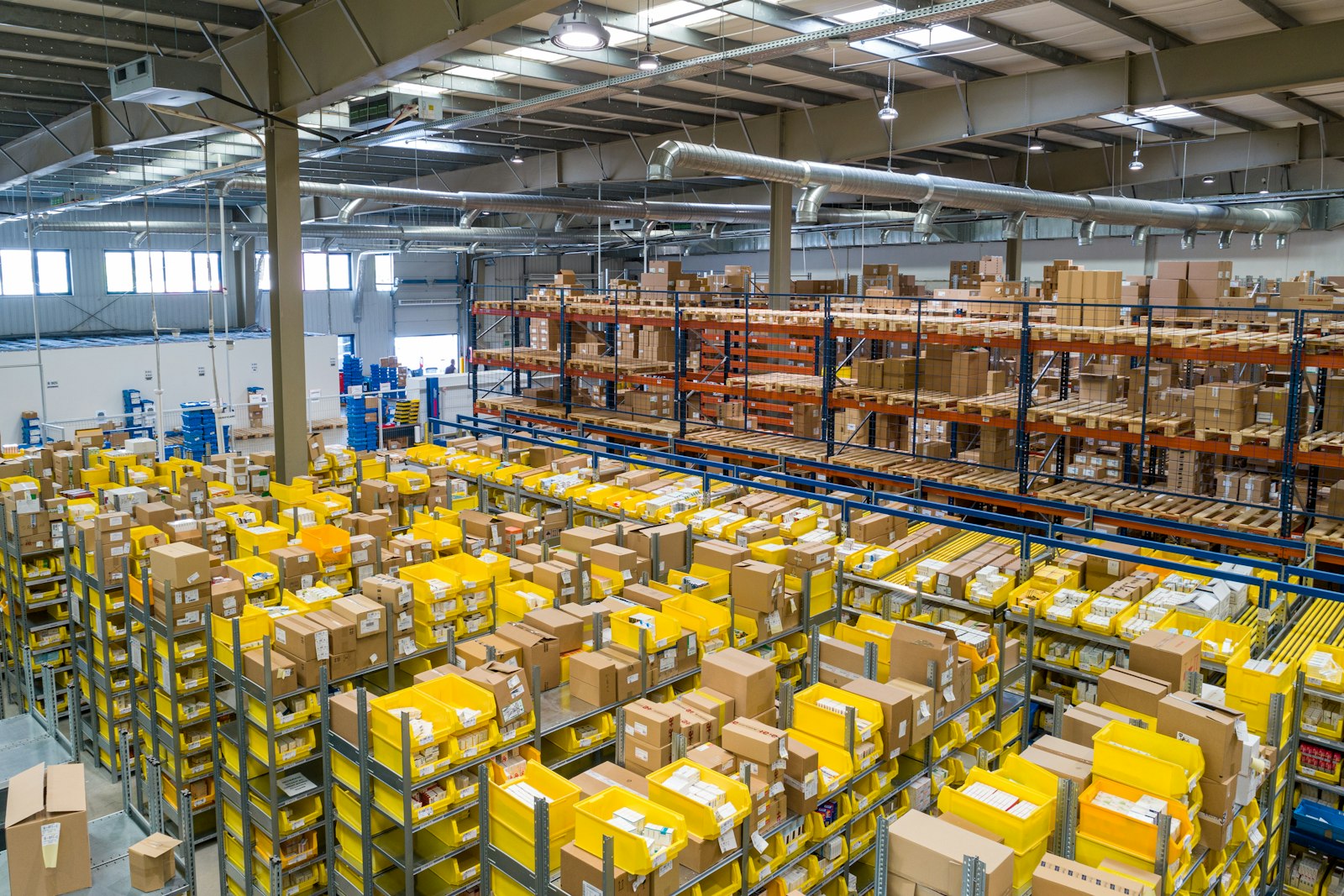
The global fresh produce supply chain moves $138 billion in North America alone. It feeds nations. And it runs on phone calls, spreadsheets, and institutional memory.
That model worked when the world was predictable. It doesn't anymore.
Volatility Is Structural, Not Cyclical
Produce pricing hit 118% annualized volatility in 2024. Climate events caused $182.7 billion in US damages across 27 billion-dollar disasters. La Niña droughts, frost events, and shifting growing seasons are not anomalies — they are the new baseline. Every season is now a volatility event.
The Human Ceiling
Farm labor shortages cost the US $2.5 billion in produce waste annually. California alone lost $3.1 billion in unharvested crops in a single year. Downstream, 69% of food brands still manage procurement through email and spreadsheets. The industry's capacity is capped by the number of people who can make phone calls — and that number is shrinking.
Freight Is Broken
58% of truckloads moved partially empty in 2024 — up from 43% the year before. Reefer spot rates are running 25% above year-ago levels. Over 39,000 trucking companies shut down since late 2022, disproportionately hitting specialized produce haulers. Transportation costs are now the #1 driver of rising food prices.
Compliance Is Accelerating
FSMA 204 traceability mandates are expanding across the produce industry. The FDA delayed the compliance deadline to 2028 — not because the regulation is wrong, but because even well-positioned companies can't coordinate traceability across fragmented, manual supply chains. Compliance is becoming a prerequisite to trade.
Geopolitics as Standing Cost
Fertilizer input costs sit 18% above five-year averages after Middle East disruptions crippled seaborne transit of key components. Trade wars have evolved from tariffs into a global subsidy race. The 2026 USMCA review will reshape North American agricultural trade flows. Geopolitics is no longer a shock — it's a permanent variable.
The Thesis
The systematic failures in the fresh produce supply chain — eroded margins, manual ceilings, waste, compliance friction, freight inefficiency — are perfectly matched to the latest capabilities in agentic AI.
This is not about adding a dashboard to a broken process. It's about building an entirely new kind of infrastructure: an agentic nervous system that can sense conditions, coordinate counterparties, and execute across the network — simultaneously, continuously, and at a speed that human-only operations cannot match.
“Fresh produce trade goes to whoever delivers item, terms, and freight — faster than the next alternative.”
What Agentic Orchestration Means
The food supply chain has four gears that determine velocity — how fast value moves from farm to buyer:
Intelligence
Price, freight, compliance, and market signals — synthesized and delivered as decisions, not data. The supply chain gets smarter with every interaction.
Communications
Multi-channel orchestration across SMS, email, voice, and messaging — meeting every counterparty where they already work, with zero behavior change required.
Compliance
Food safety, traceability, and regulatory readiness verified before the transaction — eliminating downstream blockages and risk before they happen.
Finance
Terms, payment protection, and working capital — enabling deal closure and favorable economics across a supply chain where perishability makes every day count.
When these four gears turn together — orchestrated by agents, not managed by humans — the result is a step-change in the velocity and economics of food trade.
Why Now
Two things are true simultaneously:
- The problems in the food supply chain have existed for decades and are getting worse — driven by climate change, labor shortages, geopolitical instability, and regulatory expansion.
- The technology to solve them — synchronized agentic teams capable of multi-counterparty, end-to-end orchestration — only became possible in the last year.
The convergence is rare. The window is now.
Why Full Harvest
We are not starting from zero. Full Harvest has spent over a decade inside this industry — building the deepest produce dataset, the strongest buyer-supplier network, and the operational knowledge that only comes from facilitating real transactions at scale.
- 1 billion+ pounds of produce listed through our network
- $100M+ in transaction history
- 13,000+ individual SKUs and specs in our knowledge base
- 10+ years of continuous market learning
This is the fingerprint of North American produce. It is the data moat and network gravity that makes agentic orchestration possible — not in theory, but in practice, with real counterparties and real perishable goods.

The Outcome We're Building Toward
A world where:
- Every pound of edible produce finds its highest-value path to consumption — reducing the $540 billion annual cost of food waste.
- Buyers and suppliers transact at the speed of the market, not the speed of a phone tree — with compliance, freight, and terms handled before the deal is done.
- The network gets smarter with every interaction — better pricing, faster sourcing, stronger resilience — creating compounding advantage for every participant.
- Revenue and impact are decoupled from headcount — enabling the industry to scale without hitting the human ceiling that has constrained it for decades.
Fresh produce trade goes to whoever delivers item, terms, and freight — faster than the next alternative. We intend to be that answer.